Jewish Marriage: The Sanctification of Love and Promise
Jewish marriage is shaped by symbols that transform what might otherwise remain a common, prosaic, even bureaucratic act into one of life’s most elevating moments.
PASSAGES
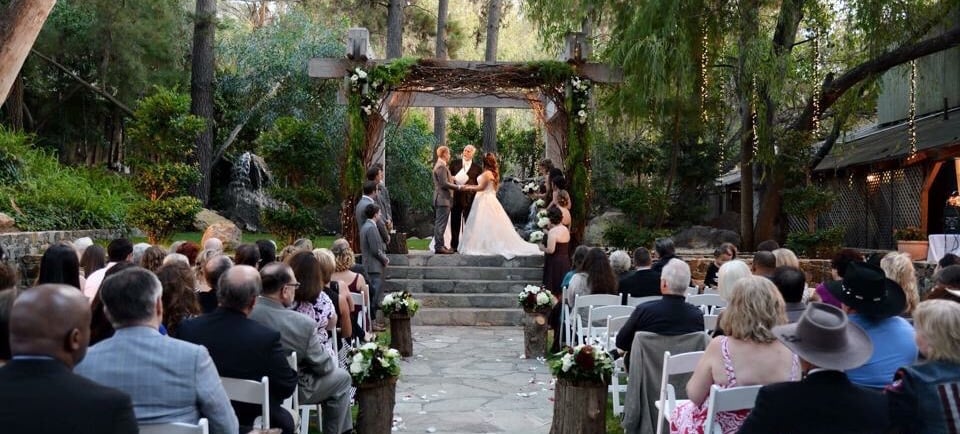
Jewish marriage is shaped by symbols that transform what might otherwise remain a common, prosaic, even bureaucratic act into one of life’s most elevating moments.
A cup of wine in a ceremonial goblet is no longer just a drink. Rings are no longer mere ornaments. A ketubah is not a compliance form signed in a government office. Words are no longer mere words, but promises, expressions of hope, and declarations of feeling.
Marriage is a sublime promise made between two human beings in love.
It is the promise to be attentive to the needs of another as one is to one’s own. It is the opening of trust that makes intimacy possible. It is the recognition that marriage begins a shared life, creates the possibility of family, and places that new union within the life of the community.
That world is governed by a principle Judaism calls hesed.
The word is not easily translated. It gathers within itself many of the highest interpersonal values in Jewish life: love, care, respect, trust, loyalty, and responsibility.
The Jewish marriage ceremony gives public and symbolic expression to what the couple already knows inwardly: their deepest hopes, their highest values, and their desire to bind their lives to one another.
It is therefore both joyful and solemn, intimate and public, celebratory and reverent. It calls those present to witness not merely a change of legal status or lifestyle, but the opening of a higher dimension of human existence.
The Jewish wedding is an expression of gratitude, a covenant of promise, a public declaration of love and responsibility, and the beginning of a family.