The reestablishment of full sovereignty under the Hasmoneans—an event often compared to the success of Zionism
The Jewish past, as well as the present, witnesses an enduring division within the Jewish people. In fact, every Jew is an expert in what divides us. The significant question, however, is not what divides but rather: What unites us?
JEWISH HISTORY
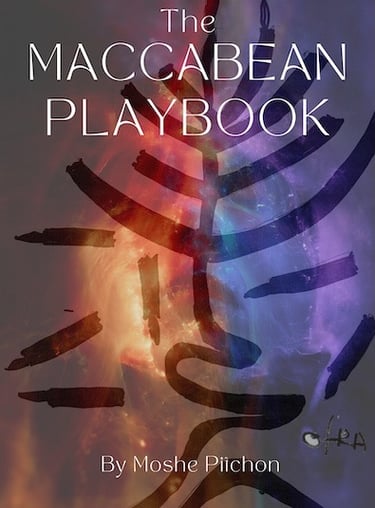

For hundreds of years, the Jews of antiquity lived under the rule of various empires, including the Babylonians, the Persians, the Hellenistic kingdoms of Egypt and Syria, the Romans, and their Christian successors. Throughout this long period, they seldom rebelled, even when provoked. In this context of Yehud's subservience to great powers, the Maccabean revolt and the subsequent Hasmonean emerge as exceptional events.
The Maccabean period lasted a century, from the victory of 164 B.C.E. to the entrance of the Romans into Jerusalem in 63 B.C.E.
This new kingdom would remain the last independent Jewish political and religious state until the establishment of the third commonwealth, more than two thousand years later. The memories it left behind profoundly impacted later Jewish history, shaping aspects of the political ideology that underpinned the creation of the modern state of Israel.
The reestablishment of full sovereignty under the Hasmoneans—an event often compared to the success of Zionism—had unexpectedly negative consequences. Rather than uniting the nation, the Hasmoneans fostered sectarianism.
The historical record illustrates that the Maccabean revolt was not merely inspired by ideological resistance to Hellenism; it was primarily a civil war and a religious struggle between factions within the Jewish people.